Stewardship, with Nature at our Core
Regenerative stewardship recognizes that
Nature’s success is our success.
Catawba is deeply invested in the greater good—in cultivating a thriving, livable world for us all. Our interconnectedness and interdependence with the rest of Nature requires that to fulfill this goal, Catawba’s stewardship must extend to the natural world in everything we do. By considering not just how our actions impact Nature but how we can intentionally create regenerative impact, we are strengthening our service to our Catawba community.
Learning from Nature to Enable People and Nature to Thrive Together
To make sure our actions drive positive impact, we are learning from the only successful model for regeneration there is—Nature
Through the practice of biomimicry, the blueprints for success gleaned from Nature’s 3.8 billion years of R&D are deeply embedded in the Campus as Forest approach.
It informs our ethos of generosity and abundance, our vision of what good looks like, and our mindset of what’s possible. From campus planning and operations of our landscapes to regenerative education, organizational development, and community partnerships, we are learning from and implementing Nature’s deep patterns and strategies to develop inherently sustainable, resilient, and regenerative solutions that enable people and Nature to thrive together.
By bringing Nature’s voice and time-tested guidance to the design table and into the classroom alongside experiential learning in the regenerative transformation of our physical campus, we are empowering all our students—regardless of vocation—with the mindset, knowledge, tools, skills, and hands-on experience to build a regenerative future.
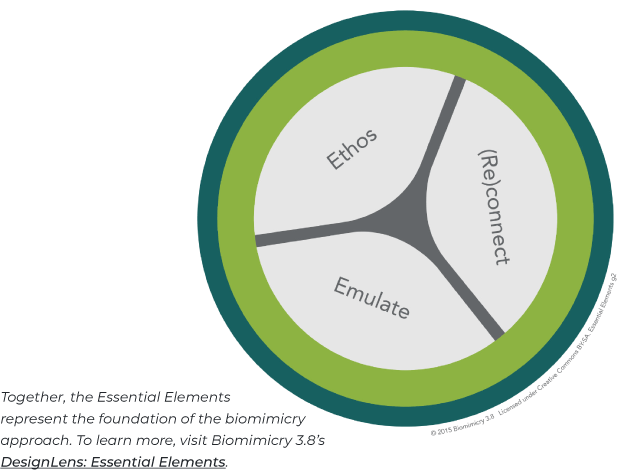
Biomimicry, an established practice
Life has been solving complex dynamic challenges for billions of years, and successful strategies for living sustainably, resiliently, and regeneratively are embodied in the species and ecosystems living on Earth today.
Biomimicry is an innovation practice that learns from Nature’s genius to design regenerative products, processes, and systems that benefit all Life, including humans.
Since the publication of Biomimicry: Innovation inspired by Nature by Janine Benyus in 1998, the practice of biomimicry has gone global. Biomimicry provides the “how” for inspiring disruptive thinking about and developing transformative solutions for the wicked problems we face today. From regenerative organizations to the circular economy and beyond, designers are learning from Nature’s genius to accelerate the discovery and implementation of innovations that can shift us toward meeting the United Nations Sustainable Development Goals (SDGs), climate and biodiversity pledges, and more.
Through programs like the Master of Science in Biomimicry at Arizona State University to the Ray of Hope Accelerator at The Biomimicry Institute, people around the world are creating nature-inspired pathways to a regenerative future. At Catawba, we’re doing the same.
Evolving Sustainability forward
Our Campus as Forest approach ensures that we bring a holistic and collaborative mindset to our goal of cultivating a thriving, livable world
Our Goal: Nature's Performance Benchmark
To evaluate the effectiveness of our solutions at creating the ecological conditions for us to thrive, we are integrating a core tenet of biomimicry into our approach—Nature as Measure.
How We're Measuring It
As described in the B3.8/EMX Nature is Positive paper, the direct and indirect contributions of ecosystems to human wellbeing are called ecosystem services (also referred to as “Nature’s contributions to people”).
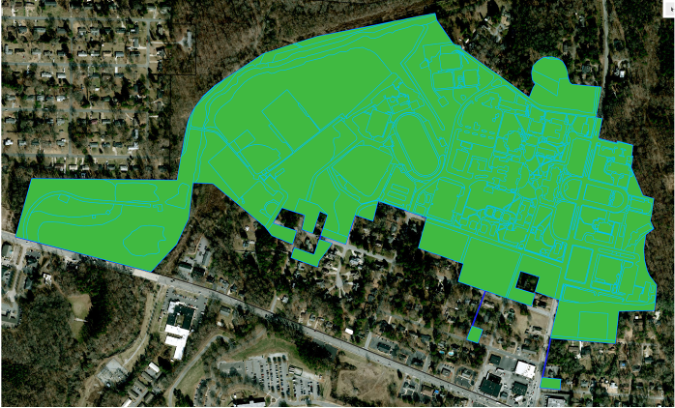
catawba college: where we are now
In 2025, Catawba began a baseline and target analysis for ecosystem performance.
Evolving Sustainability Forward
Nature shows us that everything is connected. Our Campus as Forest approach ensures that we bring a holistic and collaborative mindset to our goal of cultivating a thriving, livable world.
We are making great strides. Our leadership in sustainability has taken us far along the path of doing good. From achieving carbon neutrality seven years ahead of our goal to receiving an AASHE STARS Gold Rating while also increasing enrollment and donor engagement, Catawba is demonstrating that with purpose, the goals of sustainability and Catawba are aligned.
Our CaF approach evolves our sustainability work forward by rooting all our efforts in the fundamental context of whether they are succeeding—on and in the actual ground—in regenerating and sustaining the living systems that underpin our survival and wellbeing. Ensuring highly functioning living systems requires that we pair technical solutions with the behaviors and practices needed to optimize those solutions, with care taken to support people in the transition. It also requires that we expand our community engagement and partnerships—the health of the living systems on Catawba’s campus are intricately connected to those beyond our borders and vice versa. Nature’s guidance opens doors to enable us to move beyond what we currently think is possible.
To know how well we’re doing today, we’ve started by evaluating our physical landscapes—both our built environment and natural areas—to see if they are pulling their ecological weight. But how do we know what their ecological performance should be? And how will we know how to do better? We are looking to Nature as a guide to answer those questions too.
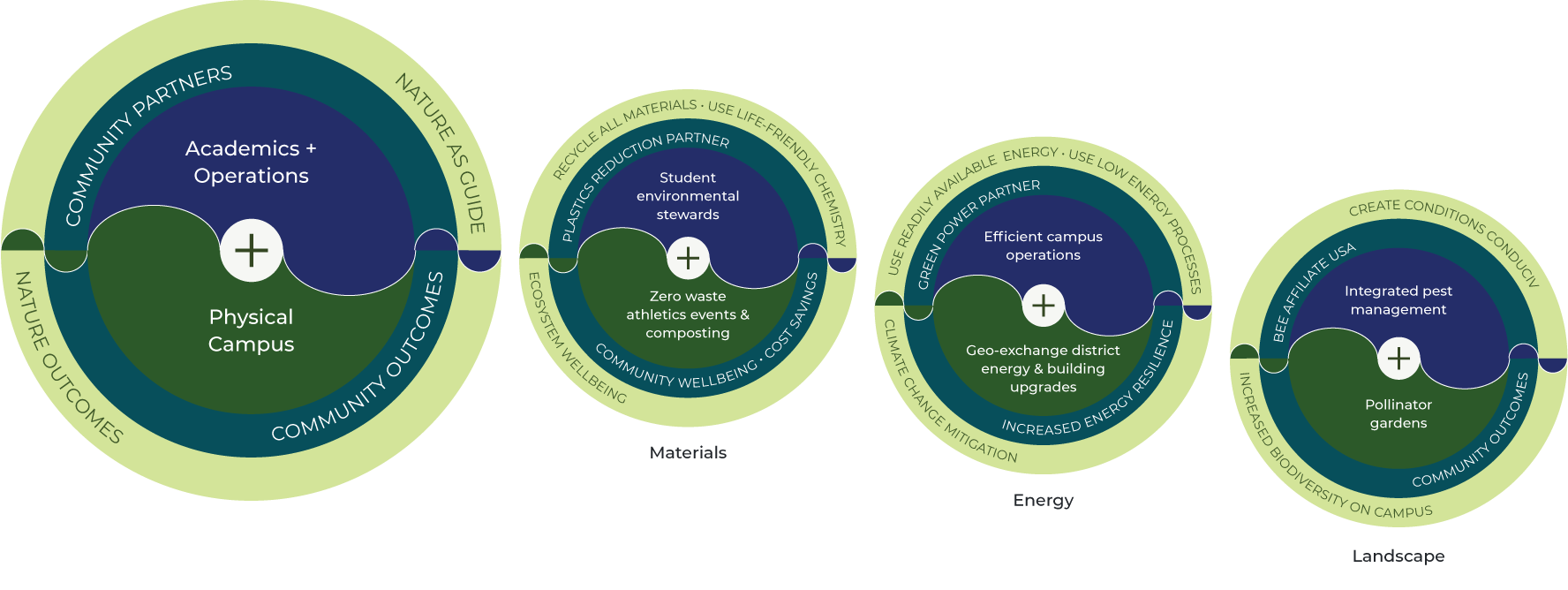
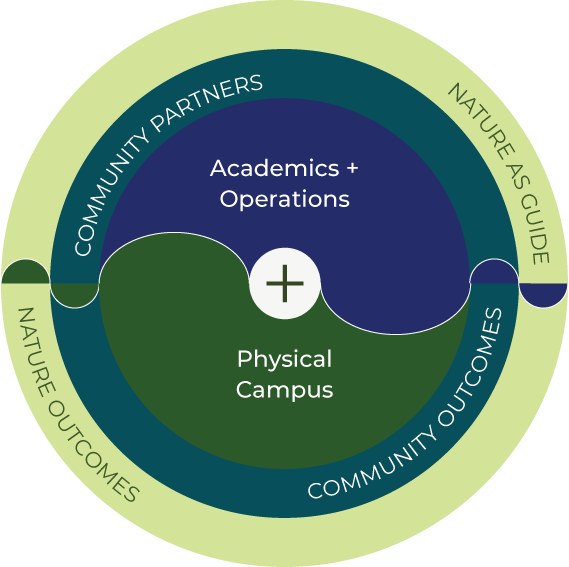
Campus as Forest Holistic Approach
From our academics and operations to our physical campus, Campus as Forest strengthens our sustainability solutions by asking, What would Nature do? And, How are our actions impacting Nature?
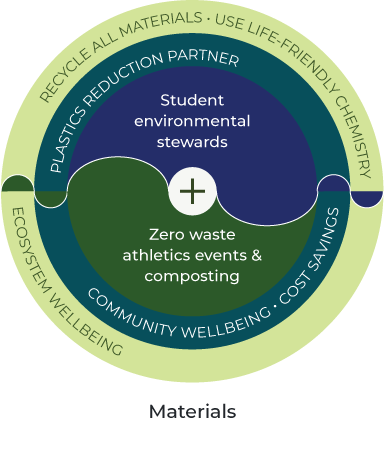
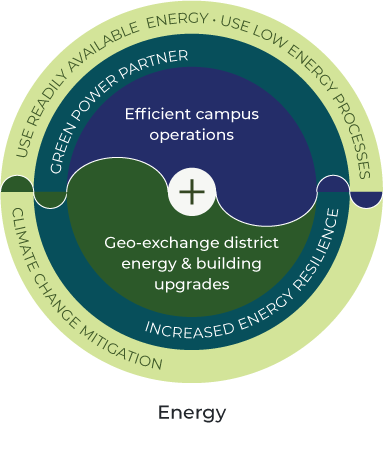
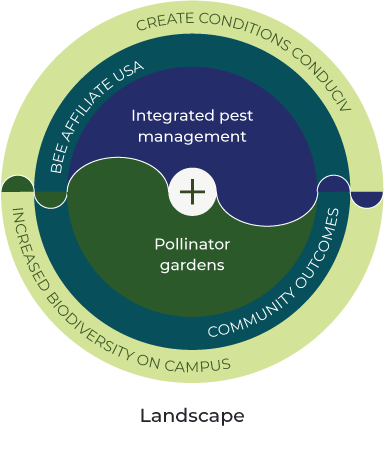
Our Goal: Nature’s Performance Benchmark
To evaluate the effectiveness of our solutions at creating the ecological conditions for us to thrive, we are integrating a core tenet of biomimicry into our approach—Nature as Measure.
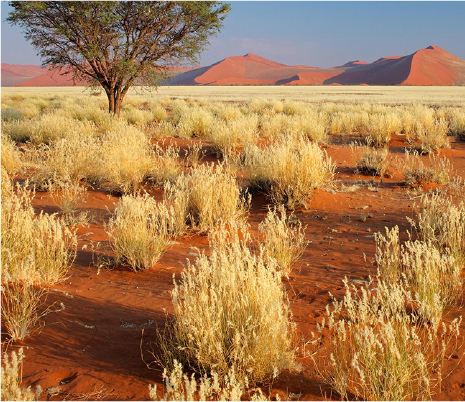
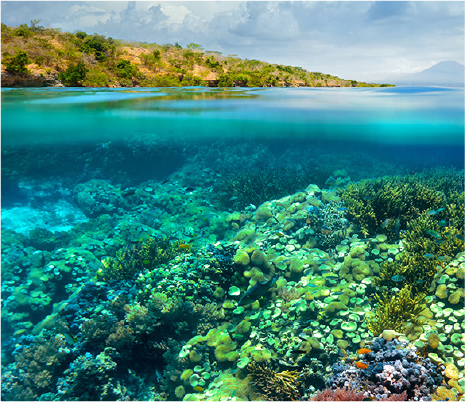
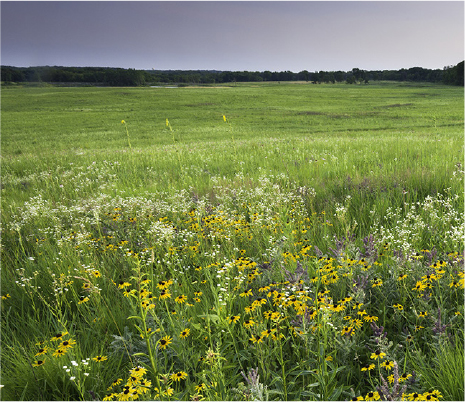
Nature has been practicing “nature-positive” for 3.8 billion years in ways that are highly responsive and adaptive to the operating conditions in their home habitat, such as the amount of sun and rain, seasons, and temperature extremes.
Each organism in an ecosystem contributes to ecological processes in myriad ways that support others in their ecosystem. Collectively, these nested nature-positive impacts at all scales generate self-sustaining systems-based conditions for thriving ecosystems. These highly functioning ecosystems deliver the outcomes universally required for human and other species’ survival, health, and wellbeing: clean air and water, healthy soils, climate regulation, safe shelter, and more.
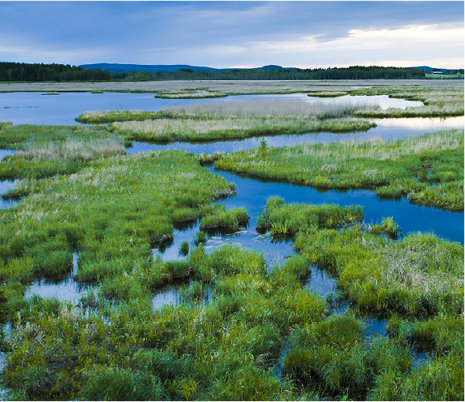
While the ecological functions that underlie these conditions are universal, the degree to which organisms carry them out changes based on the local context. This means that when looking to Nature’s ecological performance as a guide for how to build regeneratively, we can leverage Nature’s local benchmark to know what thriving looks like in that place and strive to replicate it.
That’s why, instead of setting arbitrary Nature-related or biodiversity goals, Campus as Forest sets Nature’s proven local ecological performance as our benchmark for defining ecological Good that goes far, adopting an approach that is:
- locally attuned and globally connected,
- science-based,
- systems-based,
- quantifiable and defensible,
- actionable, and
- outcomes-based.
This approach also enables us to:
- Establish a foundation for a shared understanding and vision of the regenerative outcomes that all stakeholders in our community can strive toward.
- Implement holistic decision-making processes across our campus planning and operations that include Nature impact, enabling smart investments in our future that increase resilience on campus and within our broader community.
- Share our campus ecosystem performance data, regenerative design process, and implementation experience with community partners and beyond as we collaborate to embed connected regenerative design solutions across our community.

Companies like Microsoft and Jacobs are already leveraging Nature’s ecosystem performance benchmarks to drive nature-positive change in their companies. Read about their journeys and learn more about how to leverage Nature’s performance benchmarks for nature-positive action in the Nature is Positive paper.
How we're Measuring it
As described in the B3.8/EMX Nature is Positive paper, the direct and indirect contributions of ecosystems to human wellbeing are called ecosystem services (also referred to as “Nature’s contributions to people”).
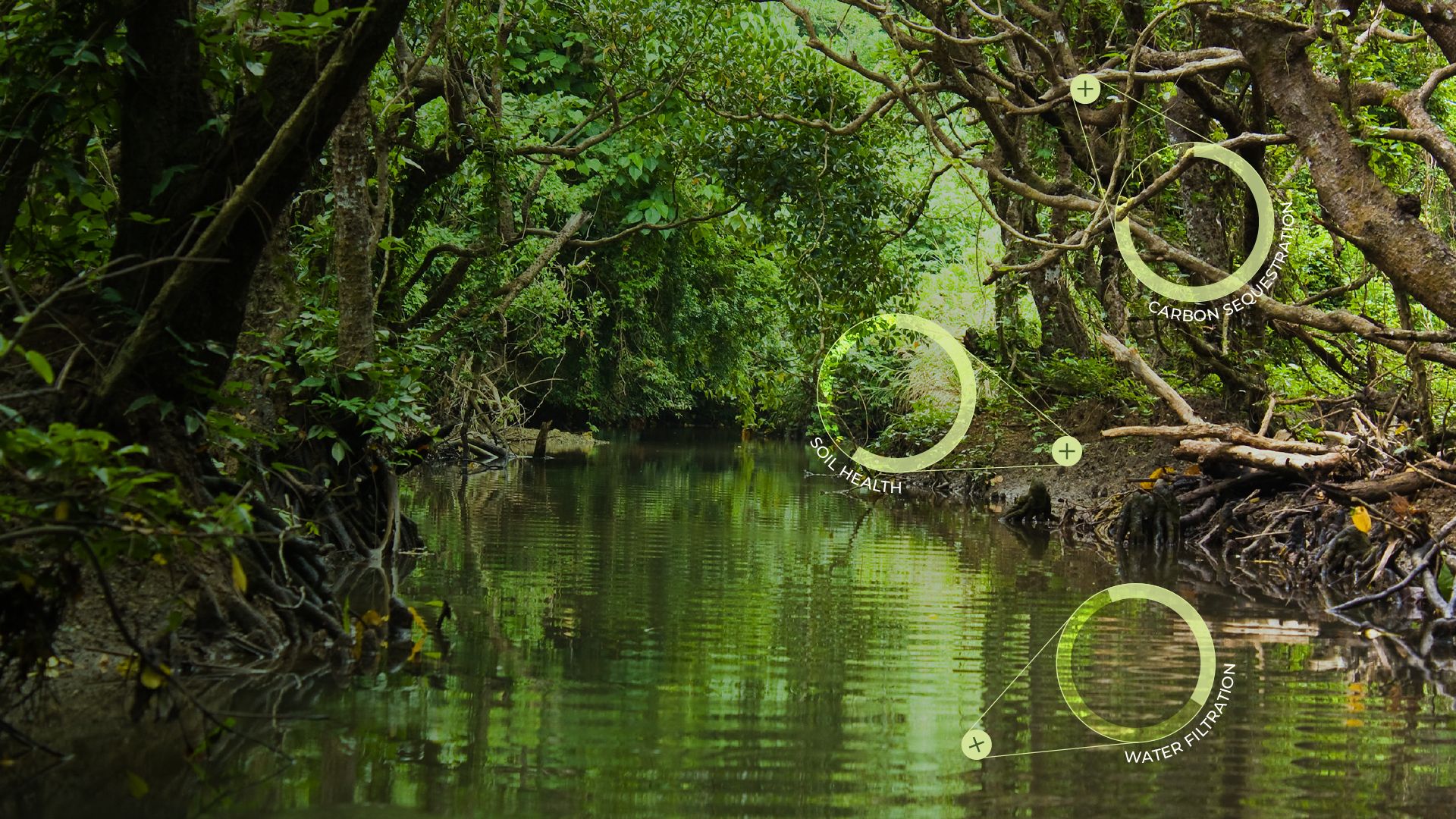
Ecosystem services have been thoroughly studied and can be measured, so they:
- Are an excellent proxy for the health of ecosystem functioning, supporting the quantitative assessment of nature-positive impact
- Provide a systems-oriented framework that links changes in ecosystem performance to social and economic outcomes, enabling organizations to holistically assess and address their impacts and dependencies on Nature
- Provide a leading indicator of whether the conditions exist for life to thrive in that place when comparing to a local healthy intact ecosystem
Because these benefits support the goals of Campus as Forest, Catawba’s ecological performance measurement approach leverages the quantification of ecosystem services to gauge how well we are doing and how far we need to go across a diversity of ecosystem service categories as we aim to create conditions conducive to thriving.
catawba college: Where we are now
In 2025, Catawba began a baseline and target analysis for ecosystem performance. We are leveraging the EcoMetrix Solutions Group Ecosystem Intelligence™ quantification platform to measure our baseline performance, model the effectiveness of design solutions during campus planning and design processes to inform decision-making, and measuring and monitoring our performance over time as we transform our campus.
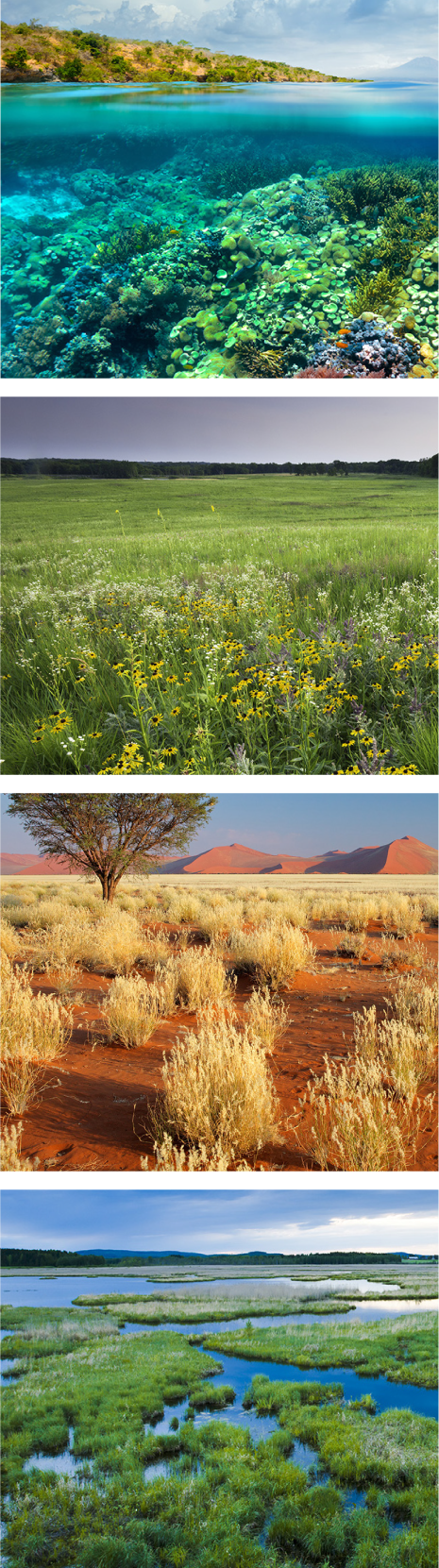
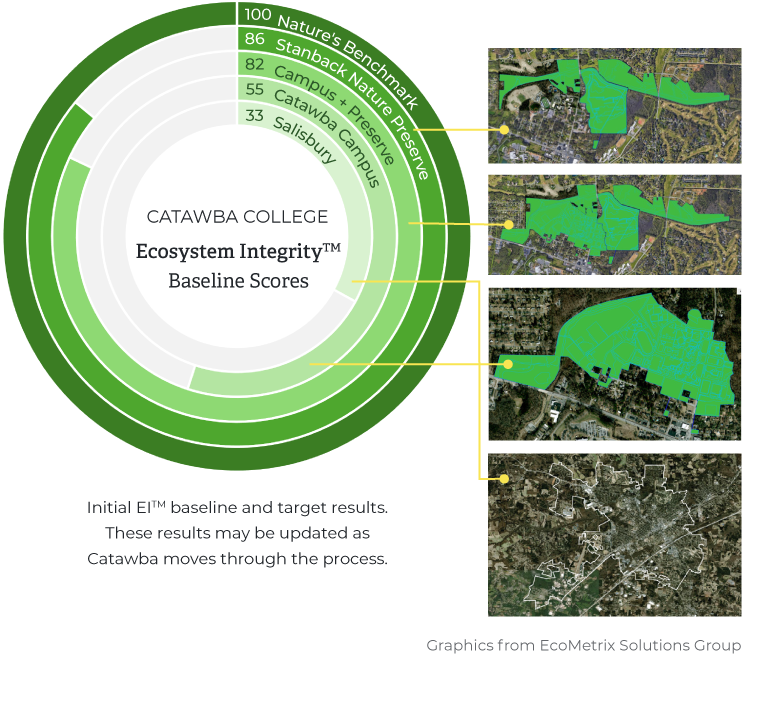
As part of the process. Catawba is working with EMX to determine which highly functioning landscapes will serve as the “reference” performance. This performance will serve as Catawba’s local benchmark against which we measure our performance as we implement regenerative solutions across our campus. Catawba College sits in the United States Southern Outer Piedmont Ecoregion, a region whose ecosystems have been significantly altered since European settlement, making the identification of reference sites challenging. For now, the reference target performance at right is based on the biome. As Catawba works through this process, the local reference performance may be updated. We are leveraging the EcoMetrix Solutions Group Ecosystem Intelligence™ quantification platform to measure our baseline performance, model the effectiveness of design solutions during campus planning and design processes to inform decision-making, and measuring and monitoring our performance over time as we transform our campus.
Based on the EI analysis, our campus as a whole—including both the Stanback Nature Preserve and our campus—is providing a lot of good to our Catawba and Salisbury communities. However, when looking at our campus and preserve separately, we see that even though the campus is doing relatively well, there is an opportunity to greatly improve its ability to pull its ecological weight.
The unique thing about nature-based solutions is that they do better over time with the right balance of stewardship and letting Nature run its course. In other words, the good we do today has the potential to go far into the future. That’s why we’re focused on building Campus as Forest regenerative thinking into our landscape master planning process and individual campus projects like the new residence hall. For any project we’re asking, how can we improve our sustainability and ecosystem performance? How can our solutions benefit people and the environment? And how do we make sure the potential for long-term regenerative impact isn’t thwarted by short-term thinking?
ecosystem intelligence™
The EI™ platform is a proven quantification platform to support nature-based decision-making. Developed over 20 years in 40+ countries and in collaboration with 100+ subject matter experts, EI uses a systems-based understanding of impacts and opportunities to translate Nature’s intricate relationships into tangible measurements that can be used by people of all skill levels. EI supports a wide range of needs, such as performance estimating for siting, planning, and budgeting purposes, detailed design analysis, and monitoring and verifying progress on regulatory, ESG disclosures, 30x30, TNFD, and other emerging mandates. EMX’s unique standardized measure of quantity and quality across all ecological functions and services, and the Ecosystem Integrity Score™, enable apples-to-apples comparison of performance across different sites anywhere on the globe, helping decision-makers identify and implement the most effective solutions within their project constraints.
closing the performance gap: designing with nature as our model
As we look to close the gap between Catawba’s campus performance and Nature’s benchmark, we can also bring Nature’s genius to the design table as another core tenet of biomimicry—Nature as Model.
Because the species that live here are expertly adapted to our local context, they provide a blueprint for how to deliver local benchmark performance. Learning from Nature’s local blueprint opens the solution space and accelerates our ability to get it right the first time, improving efficiencies and reducing costs while delivering the regenerative outcomes we urgently need. That’s why we are learning from local species and ecosystems in the development of our Regenerative Campus Landscape Plan with HOK, supported by partners Biomimicry 3.8 and EcoMetrix Solutions Group.
The biomimicry concept is simple yet powerful:
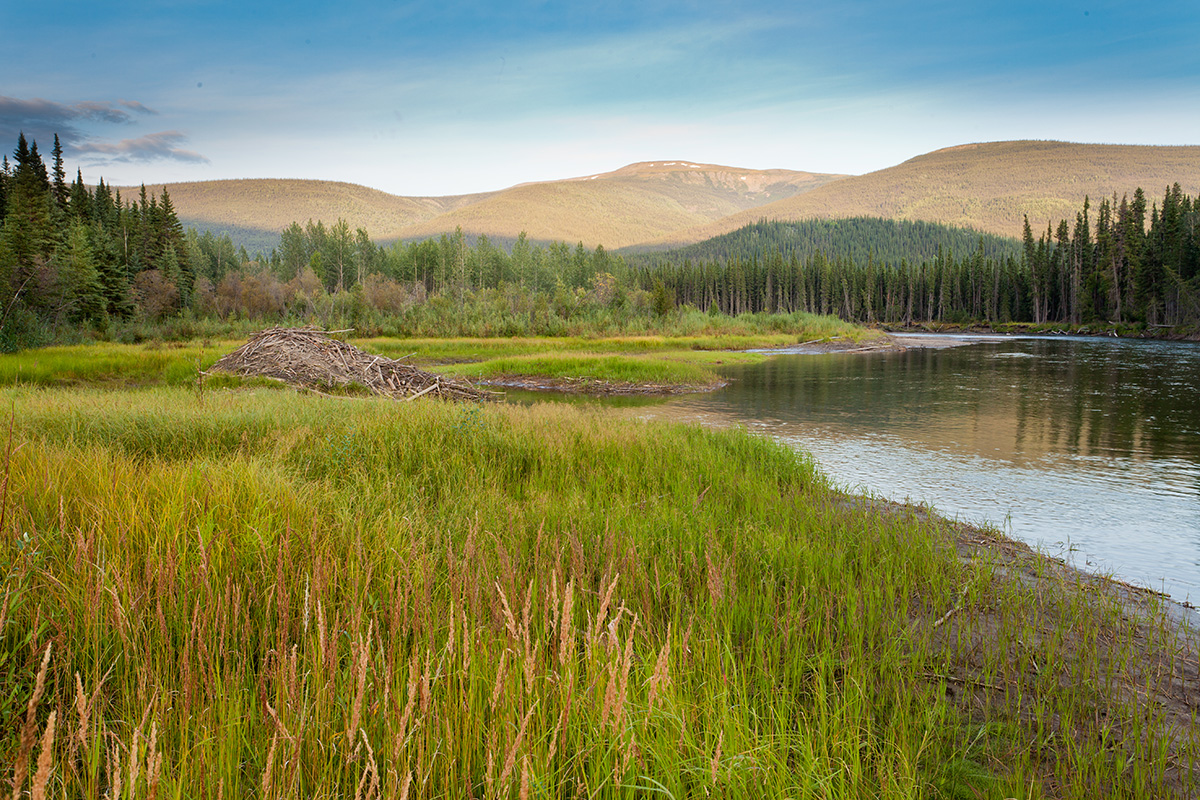
Nature as Guide
Learn how local species solve for challenges in the local context, and in turn, how those strategies support thriving and abundance.

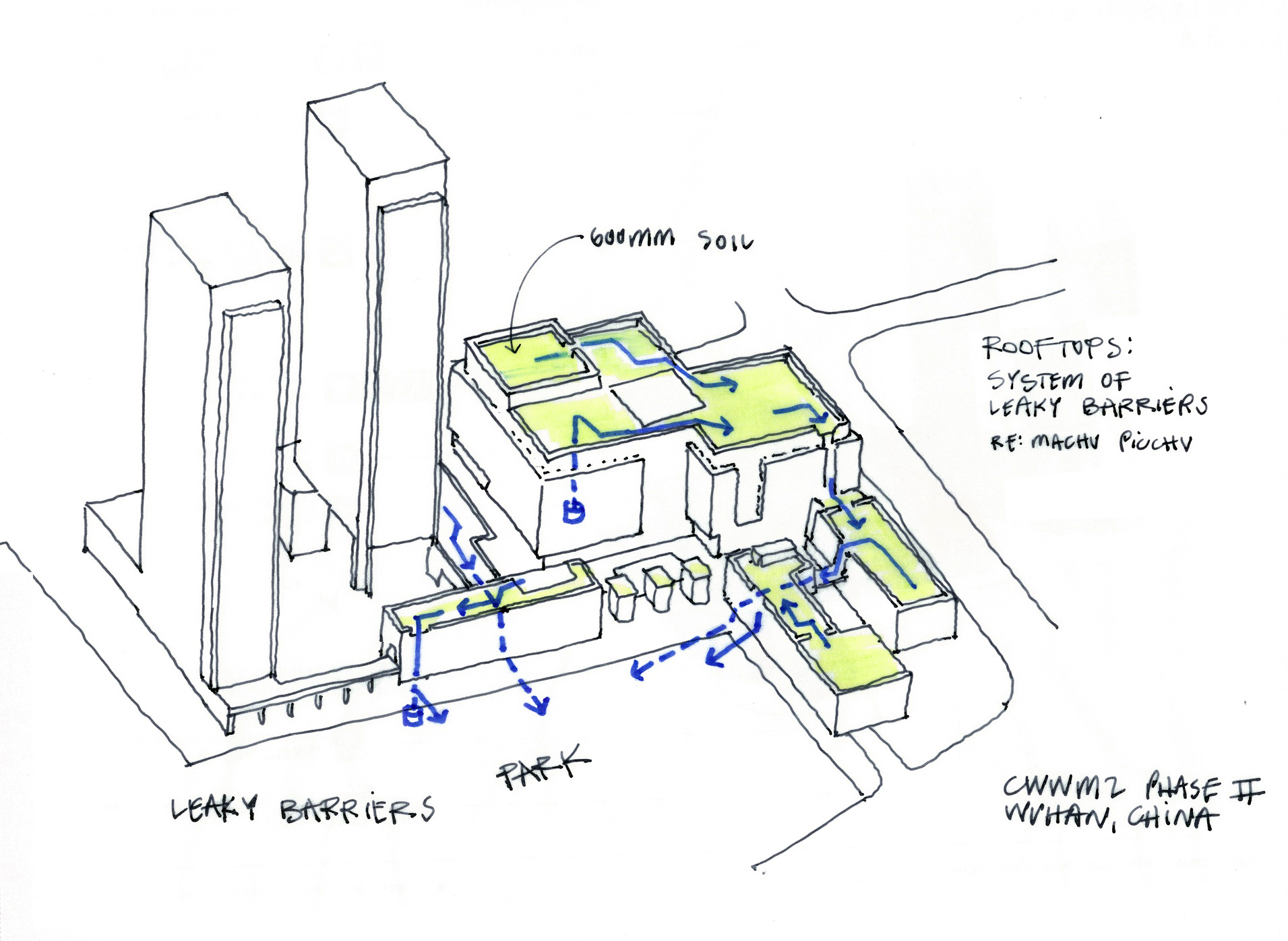
Translate Nature’s strategies to design
Express Nature’s strategies as design principles that architects and engineers can apply to innovative built environment designs.
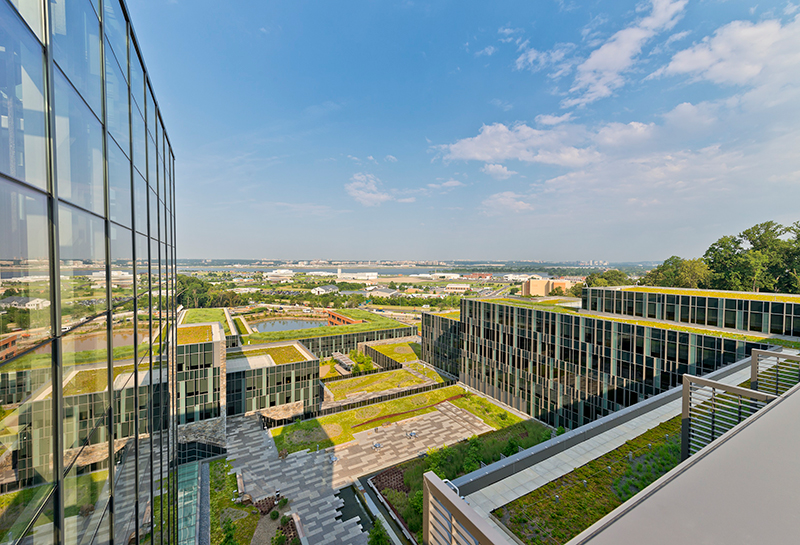
Design to Nature’s performance
Create holistic multi-functional nature-inspired solutions that move a site as close as possible to Nature’s local performance benchmark.
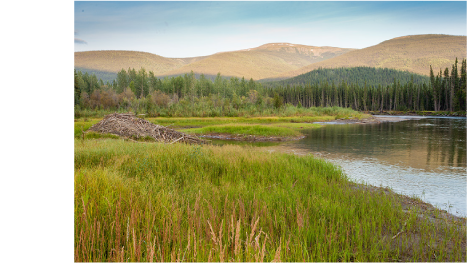
Nature as Guide
Learn how local species solve for challenges in the local context, and in turn, how those strategies support thriving and abundance.
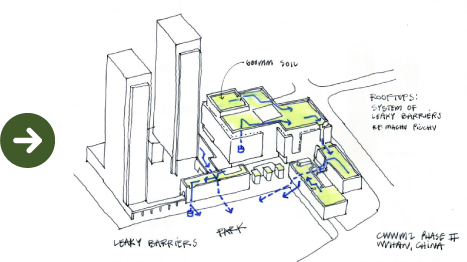
Translate Nature’s strategies to design
Express Nature’s strategies as design principles that architects and engineers can apply to innovative built environment designs.
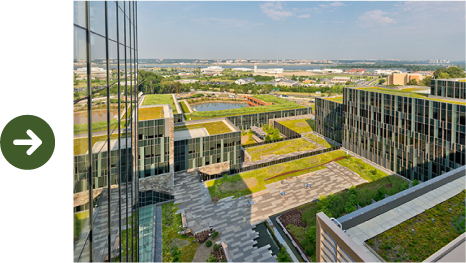
Design to Nature’s performance
Create holistic multi-functional nature-inspired solutions that move a site as close as possible to Nature’s local performance benchmark.
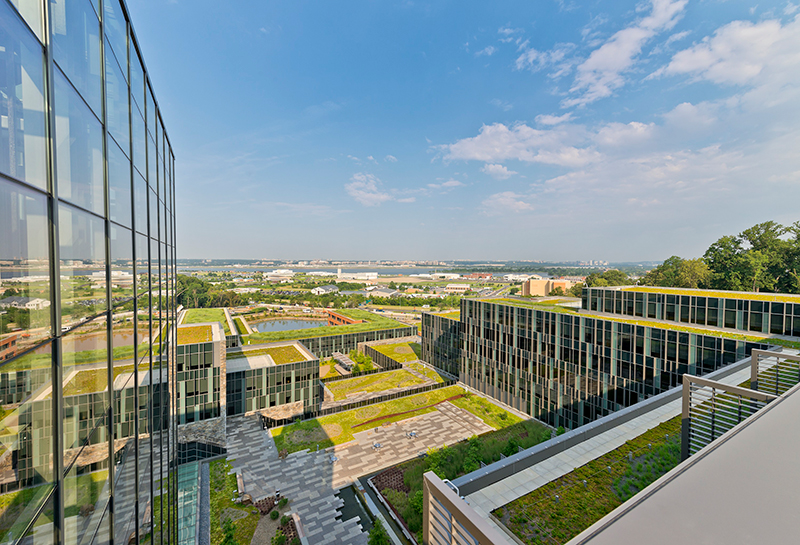
US Coast Guard Headquarters | Designed by HOK, the site integrates design principles from beavers to slow, manage, and filter stormwater on site in the second largest green roof system in the country, while also improving energy efficiency, supporting employee wellbeing, and increasing biodiversity support.
All images from Biomimicry 3.8 media library
positive performance
This biomimicry approach to the built environment is embodied in Biomimicry 3.8’s Positive Performance Methodology (PPM). PPM enables organizations to leverage Nature’s benchmarks within a holistic biomimicry-based design process. From concept to implementation and in collaboration with multiple industry-leading experts including EMX, organizations employ PPM to drive innovative nature-inspired design that delivers nature-positive impact for the organization, ecosystems, and surrounding communities. Using quantification tools like EI™, organizations can measure, verify, monitor, and celebrate the nature-positive impact provided by their regenerative solutions over time.
Experience from over 60 demonstration projects across the globe by Project Positive members illustrates that the often immense performance gap between the business-as-usual development and nature’s aspirational benchmarks inspires a new nature-positive mindset across all project teams that pushes the boundaries of what was previously thought possible. This new mindset and the use of biomimicry to learn from nature for nature in the solution space has propelled teams to design innovative multi-functional systems-based solutions that deliver significant improvement across all ecosystem services measured over not only the project baseline, but also industry-standard design.
– Excerpt from the Nature is Positive paper.